Virginia Transformer Racks Up 53 Violations and Nearly $1 Million in Fines for Repeat Hazards


POCATELLO, IDAHO — When OSHA inspectors walked back into Virginia Transformer Corp.’s Pocatello plant in June 2025, they found something worse than new hazards: the same ones they had already flagged twice the year before. On December 8, 2025, the agency cited the transformer manufacturer for 53 serious and repeat violations and proposed penalties of $986,888.
The Investigation
Inspectors determined that Virginia Transformer exposed employees to hazards similar to those identified during two 2024 inspections involving cranes used to handle heavy loads — cranes with faulty brakes and switches. In a facility that moves massive transformer components overhead, a crane that can’t reliably stop is a dropped-load fatality waiting for a date.
The Violations
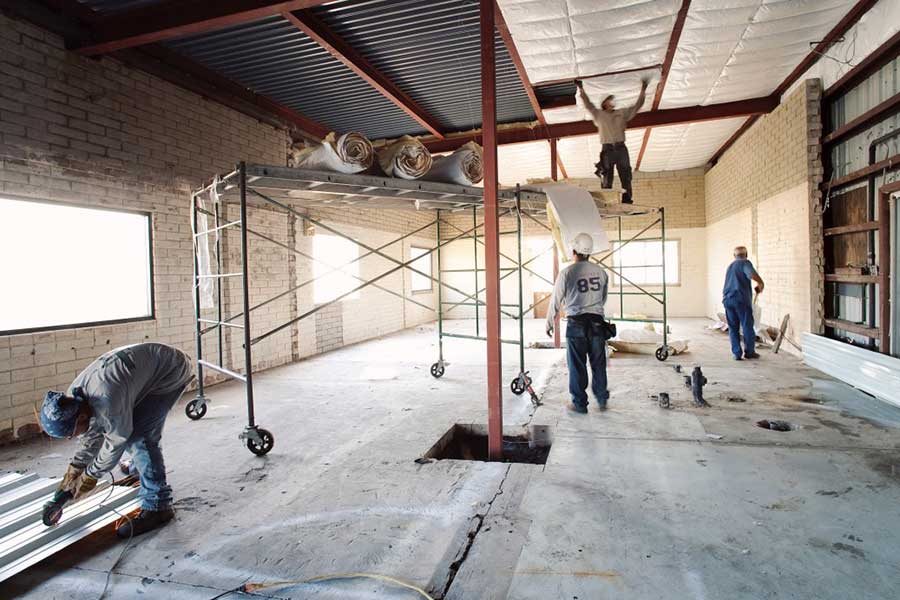
The 53 citations reached well beyond the crane bay. OSHA cited the company for failure to guard machinery, exposing workers to fall hazards, and failure to provide personal protective equipment — a cross-section of the most basic protections in general industry, all missing at once. The repeat classifications are what drove the proposed penalties toward the million-dollar mark: OSHA multiplies the price tag when an employer has already been told, in writing, exactly what to fix.
The company has 15 business days from receipt of its citations and penalties to comply, request an informal conference with OSHA, or contest the findings before the independent Occupational Safety and Health Review Commission.
The Pattern
For safety managers, the storyline here is more instructive than any single hazard. Three inspections in roughly eighteen months found the same categories of problems. That’s not bad luck — it’s a system that closes citations on paper without eliminating the hazards on the floor. Abatement that doesn’t survive until the next inspection was never really abatement.
Lessons to Take Home
A repeat violation is the most expensive kind, and the most avoidable. When a hazard is identified — by OSHA, by an audit, or by your own crew — track the fix the way you’d track production: verify it was completed, verify it stuck, and re-check it on a schedule. Faulty brakes and switches on lifting equipment should never survive a daily pre-use inspection, and unguarded machines shouldn’t survive a supervisor’s walk-through.
The fundamentals failed here: guarding, fall protection, PPE, equipment inspection. Get your team back to basics with our talk on general industry safety rules, and make pre-use equipment inspections a habit your crew never skips.