Worker Cooked to Death in Tuna Oven — Bumble Bee Pays Record $6 Million Criminal Settlement

LOS ANGELES — Jose Melena was inside the 35-foot steam oven when his co-workers, unaware, loaded it with 12,000 pounds of canned tuna and started the cook cycle. On August 12, 2015, the Los Angeles County District Attorney announced that Bumble Bee Foods would pay $6 million — the largest known settlement in a California criminal workplace-safety prosecution involving a single victim.
The Incident
On October 11, 2012, Melena, 62, entered the cylindrical sterilization oven at the company’s Santa Fe Springs plant as part of his duties. With no lockout applied and no check that the oven was clear, co-workers filled it with pallets of canned tuna and started the roughly 270-degree cooking cycle. Melena was trapped at the back of the oven and killed.
The Prosecution
The case was investigated by Cal/OSHA’s Bureau of Criminal Investigations and charged by the district attorney — a path very few workplace deaths ever take. Under the settlement, Bumble Bee agreed to spend $3 million replacing all of its outdated tuna ovens with automated ovens that no worker ever needs to enter, pay $1.5 million in restitution to Melena’s family, and pay the remainder in penalties, court costs and contributions to the DA’s environmental enforcement fund. The company also agreed to plead guilty to willfully failing to implement and maintain an effective safety program, install cameras at the ovens, and submit to safety audits.
The individuals did not walk away either. Former safety manager Saul Florez pleaded guilty to a felony count of willfully violating lockout/tagout rules and proximately causing Melena’s death, receiving three years of probation, 30 days of community labor and about $19,000 in fines. The plant’s director of operations, Angel Rodriguez, was sentenced to 320 hours of community service and fines, with both men required to publicly concede their guilt.
Lessons to Take Home
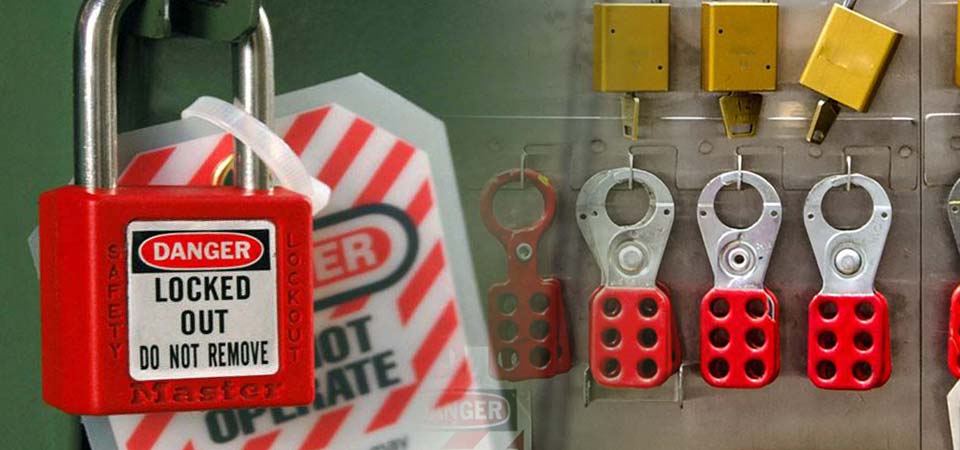
Every element of this tragedy maps to one procedure: lockout/tagout with verification. Before any worker enters equipment that can be energized, heated or started, the energy sources must be locked out, the entrant’s presence must be controlled — and no one starts a machine without positively confirming it is clear. Walk your team through the full lockout/tagout procedure and ask the uncomfortable question: could someone start our equipment right now without knowing a person is inside?
Bumble Bee’s $3 million fix — ovens no human ever enters — is also the textbook example of eliminating a hazard instead of managing it. And the cheapest control of all is talking: a simple verbal confirmation loop before startup would have saved a life. Make three-way communication part of every startup procedure in your facility.