Piggly Wiggly Franchisee Cited After Meat Grinder Takes Four of a Worker's Fingers


ATLANTA — A routine cleaning job at a Bowden, Georgia Piggly Wiggly ended with a meat department worker losing four fingers, and now the supermarket’s franchisee is facing nearly $200,000 in federal fines. On June 1, 2026, OSHA cited RBG Foods Inc. for willful and serious violations after investigating the January amputation.
The Incident
On January 29, 2026, RBG Foods — operating as Piggly Wiggly — tasked the worker with cleaning a commercial meat grinder. While the employee’s hand was inside the machine, a co-worker stepped on the grinder’s foot-control pedal. The machine started, pulled in the worker’s hand, and amputated four fingers in an instant.
It is a textbook pinch point tragedy: an energized machine, an exposed hand, and no procedure in place to keep the two apart.
The Investigation
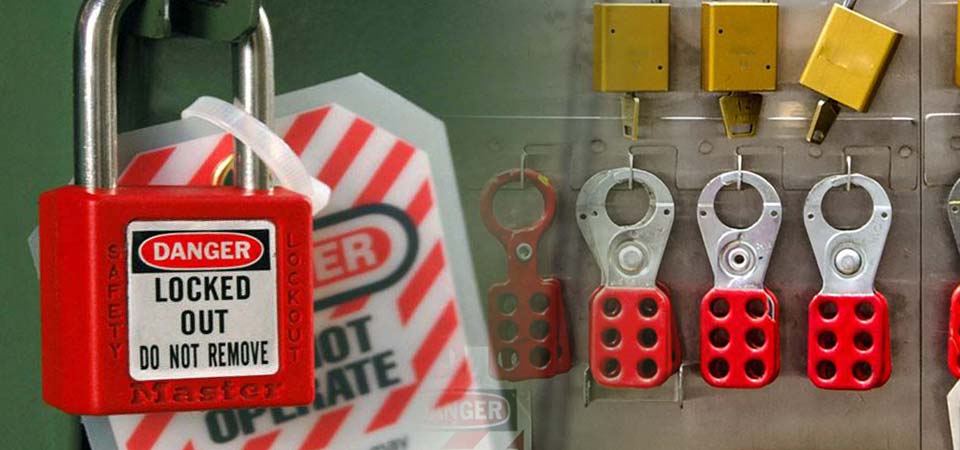
OSHA’s investigation found the injury was anything but a freak accident. The agency cited the employer with a willful violation for bypassing the machine’s safety guards, exposing workers to hazards like moving parts and flying debris. Investigators also issued a serious violation for failing to establish a program for the control of hazardous energy — the lockout/tagout procedures that should have made it impossible for anyone to start the grinder while it was being cleaned.
To top it off, RBG Foods received an other-than-serious violation for failing to report the amputation to OSHA within 24 hours, as federal rules require. In total, OSHA assessed $196,251 in proposed penalties.
What Happens Next
The employer has 15 business days from receipt of its citations and penalties to comply, request an informal conference with OSHA’s area director, or contest the findings before the independent Occupational Safety and Health Review Commission.
Lessons to Take Home
This case should hit home for anyone who supervises work around powered equipment — and not just in factories. A grocery store meat room carries the same amputation hazards as a production line. Bypassed guards and missing lockout/tagout programs are exactly the kind of shortcuts that feel harmless for years, right up until the day a colleague steps on a pedal at the wrong moment.
Before your crew cleans, unjams, or services any machine, the energy source must be isolated and verified — every single time. And remember that foot controls, remote starts, and automated cycles mean the person at the machine isn’t the only one who can set it in motion.
If your workers put their hands anywhere near machinery, share our talk on hand safety in manufacturing at your next toolbox meeting.