Head Protection Toolbox Talk: Hard Hats Done Right
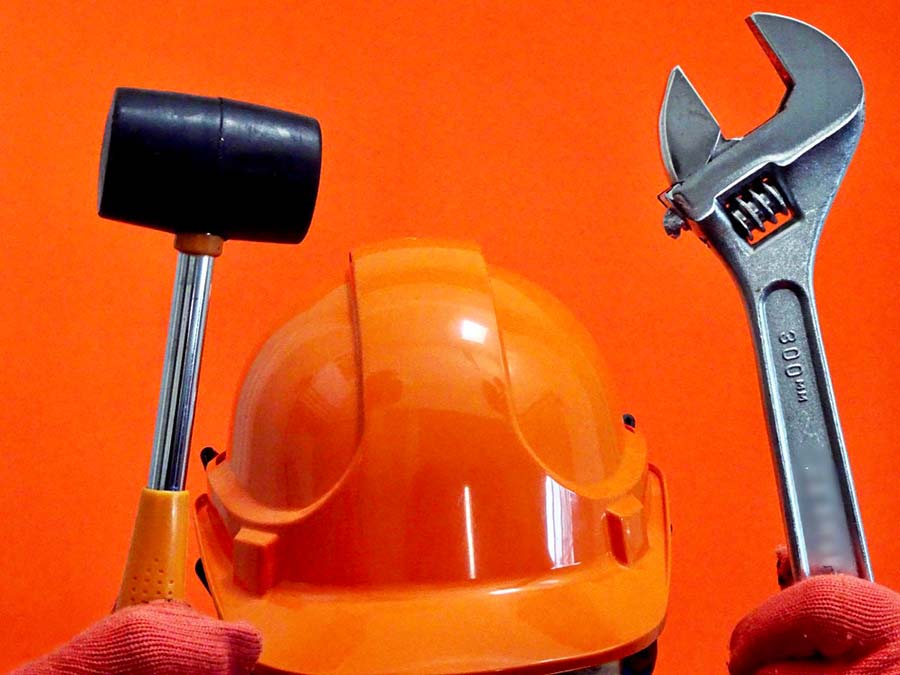

The hard hat is the oldest piece of PPE on most sites, and probably the least thought about. It goes on in the parking lot and comes off at the truck, and in between nobody gives it a second look. That’s a problem, because a hard hat is impact equipment — and the wrong type, a worn-out shell or a damaged suspension turns it into decoration.
Head injuries are different. A mashed finger heals. A traumatic brain injury can change who you are — your memory, your moods, your ability to work at all. The margin between a headache and a life-altering injury is often the couple of inches of engineered plastic and webbing on your head.
Your hard hat has one job on one day you can’t predict — keep it ready for that day.
Why is head protection safety important?
Construction leads all industries in traumatic brain injuries. NIOSH researchers found that 2,210 construction workers died from a work-related TBI between 2003 and 2010 — a quarter of all construction fatalities in that period. Falls caused more than half, with struck-by objects among the other leading causes.
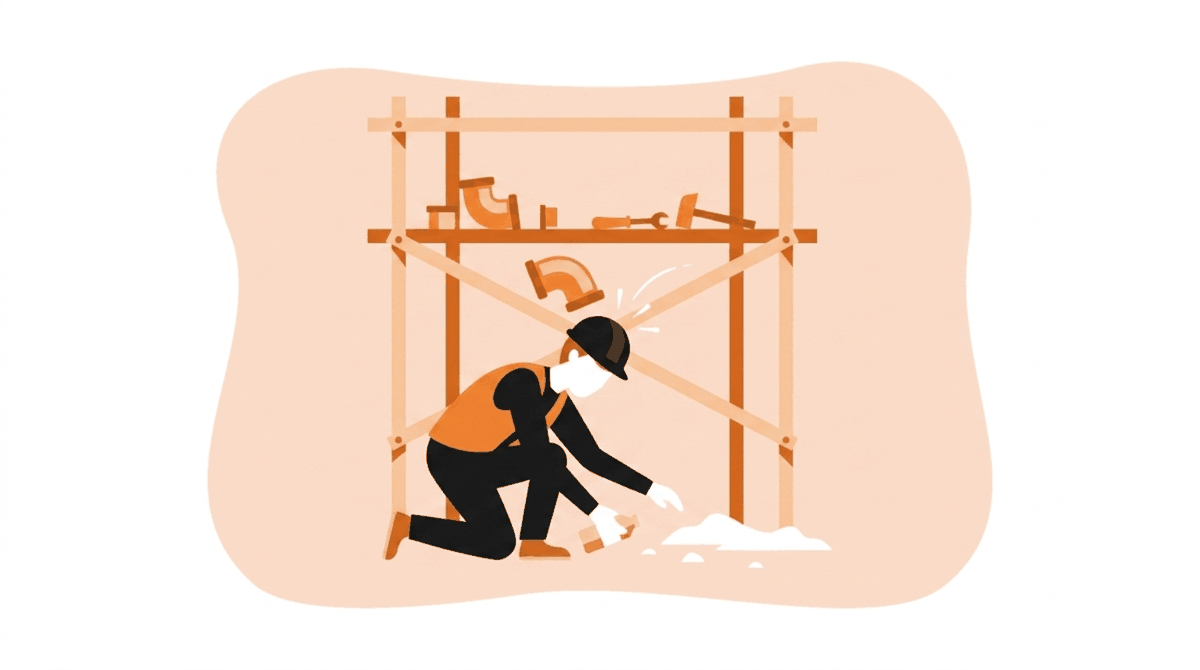
Think about what’s overhead on a typical day: other trades on scaffolds, loads on cranes, every tool that goes up with a worker. Our dropped objects talk covers keeping those from falling — head protection is what’s left when prevention fails. And hard hats don’t just stop falling wrenches: depending on class they insulate against electrical contact, and Type II hats protect against side impacts like the beam you back into or the strike during a fall.
OSHA regulations for head protection
The construction standard is 29 CFR 1926.100; general industry has the matching 29 CFR 1910.135. Workers must wear head protection wherever there is possible danger of head injury from impact, falling or flying objects, or electrical shock and burns — and it must meet ANSI/ISEA Z89.1, the consensus standard that defines hard hat types and classes.
Under ANSI Z89.1, know your Type and your Class:
- Type I — protects against impact to the top of the head (the falling-object scenario).
- Type II — protects against top and lateral (side) impact; the choice around vehicles, steel and swing hazards.
- Class G (General) — tested to 2,200 volts of electrical protection.
- Class E (Electrical) — tested to 20,000 volts, for electrical and utility work.
- Class C (Conductive) — no electrical protection at all, often vented. Never wear Class C around electrical hazards.
Replacement is where most crews fall short. OSHA requires PPE to be maintained in reliable condition, and manufacturers set the specifics: replace the hat immediately after any significant impact, even if it looks fine — and many manufacturers recommend replacing the suspension about every 12 months and the shell within about 5 years of first use. Check the date code molded under the brim.
Head protection hazards
Where head injuries actually come from:
- A carpenter bends to pick up material below a scaffold and a fitting dropped from two levels up catches him on the crown.
- A worker wearing a vented Class C hat helps pull cable near an energized panel.
- An operator steps down from the cab, hard hat left on the seat, “just walking to the gate” — under three active trades.
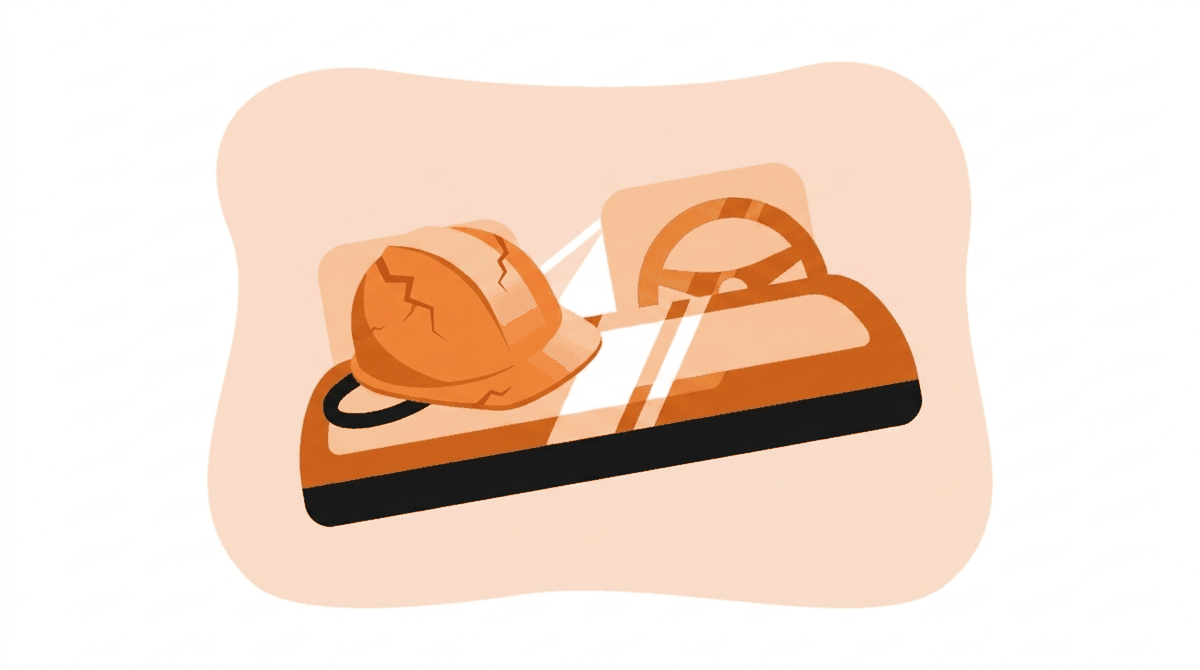
- A hat that took a hard hit last year stayed in service. Its energy-absorbing capacity is spent, and the second impact transfers through.
- A hard hat lives on the rear dashboard of a truck. UV and heat have made the shell brittle — it cracks like an eggshell under load.
Head protection toolbox talk
Everybody take your hard hat off for a minute and actually look at it. That’s the whole point of this talk.
Check the shell: cracks, dents, gouges, chalky faded plastic. Now the suspension: every strap intact, no fraying, no torn adjustment slots, all keys locked into the shell. The suspension is what actually absorbs the impact — the shell just spreads the load. A hard hat with a damaged suspension is a bucket, not PPE.
Find the date stamp under the brim. If your shell is pushing five years of service, or your suspension over a year, see me after and we’ll swap it. And the rule that matters most: any hat that takes a real hit — dropped object, fall, crushed in the gang box — comes out of service that day, even if it looks perfect. The damage you can’t see is the kind that kills.
Know what you’re wearing. Electrical work means Class E, never a vented hat. Around steel, traffic or swinging equipment, a Type II gives you side protection a basic Type I doesn’t.
Wear it right: squarely on your head, snug, brim forward unless it’s rated for reverse wear. No ball caps underneath, nothing stored in the suspension gap — that space is your crush zone.
Simplest rule of all: it stays on your head the whole time you’re in the work area. Not tipped back, not clipped to your belt. The wrench doesn’t check whether you were only going to be a second.
Questions to employees
Ask your crew — a quick check that the talk landed:
- What’s the difference between a Type I and a Type II hard hat?
- Which class of hard hat do you need around electrical hazards — and which class should you never wear near them?
- When must a hard hat be taken out of service immediately?
- Where is the date code on your hard hat, and how old is your shell?
- What does the suspension do, and why is a damaged one so dangerous?
- Where do you store your hard hat when you’re off shift?
Promote head protection safety with this email template
Hi [Name],
This week I’m asking everyone to give their hard hat a two-minute inspection:
- Check the shell for cracks, dents and UV fading, and the suspension for frayed or torn straps.
- Find the date code under the brim. Suspensions older than about a year and shells past their service life get replaced — see me for a new one, free of charge.
- Any hat that has taken a significant impact comes out of service immediately, even if it looks fine.
And make sure your hat matches your work: Class E for electrical exposure, Type II around side-impact hazards.
Hard hats are cheap. Heads aren’t.
[Your Name]
Conclusion
Your hard hat exists for one impact on one unpredictable day. Give it a real inspection, know your Type and Class, replace it after any hit and at the end of its service life, and keep it on your head every minute you’re exposed. A few ounces of plastic and webbing are all that stand between a near miss and a brain injury.


