Asbestos Awareness Toolbox Talk: The Dust That Kills Decades Later


Asbestos is the hazard that doesn’t hurt today. You can breathe asbestos fibers on a demo job this morning and feel completely fine — this year, next year, for the next twenty years. The diseases it causes show up decades after the exposure, and by the time they show up, there’s no undoing them.
That delay is exactly why asbestos still injures workers. There’s no pain, no smell, no warning — just dust that looks like every other dust on a renovation job. The discipline has to come from knowledge, not from your senses.
Asbestos never hurts you today — it sends the bill twenty years from now.
Why is asbestos awareness safety important?
Asbestos fibers, once inhaled, lodge in the lungs and stay there. Over time they cause asbestosis (progressive scarring of the lungs), lung cancer, and mesothelioma — a cancer of the lung lining that is almost always fatal. OSHA is blunt about the risk: there is no “safe” level of asbestos exposure, and exposures as short as a few days have caused mesothelioma in humans.
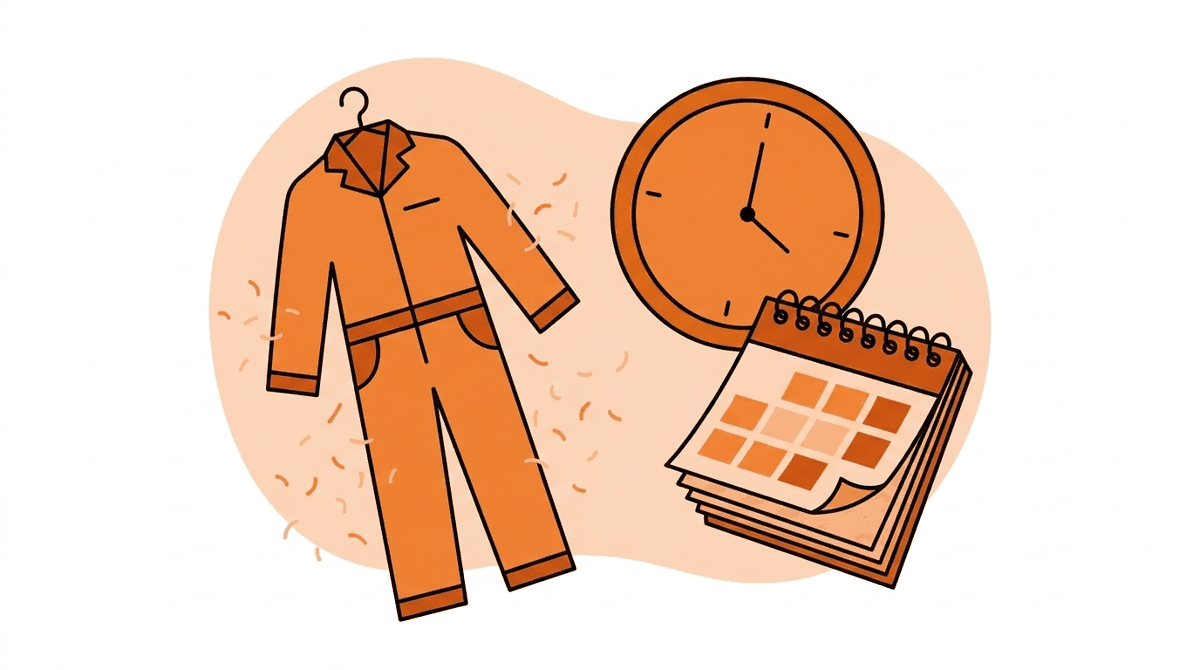
Although asbestos use has plummeted, the material itself never left. It’s still inside millions of buildings built or renovated before the 1980s. Anyone who cuts, drills, grinds, or demolishes older building materials — renovation crews, maintenance techs, electricians, plumbers, HVAC installers — can disturb it without ever knowing, and take the fibers home on their clothes to their families.
This is a hazard where taking shortcuts is invisible today and unforgivable later.
OSHA regulations for asbestos
Two standards cover most workers:
- 29 CFR 1926.1101 — Asbestos (Construction): covers demolition, renovation, repair, and maintenance work. It classifies asbestos work from Class I (removing insulation and surfacing material — most hazardous) to Class IV (custodial contact), each with escalating controls.
- 29 CFR 1910.1001 — Asbestos (General Industry): covers brake and clutch work, custodial work, and manufacturing exposure.
Both set the same limits: a permissible exposure limit of 0.1 fiber per cubic centimeter of air as an 8-hour average, and an excursion limit of 1.0 fiber per cubic centimeter averaged over 30 minutes. The standards also require exposure assessments, regulated areas, wet methods, HEPA filtration, prohibited practices (no compressed air, no dry sweeping), training, and medical surveillance for exposed workers. See OSHA’s asbestos page for the full framework.
Asbestos hazards
Where workers actually get exposed:
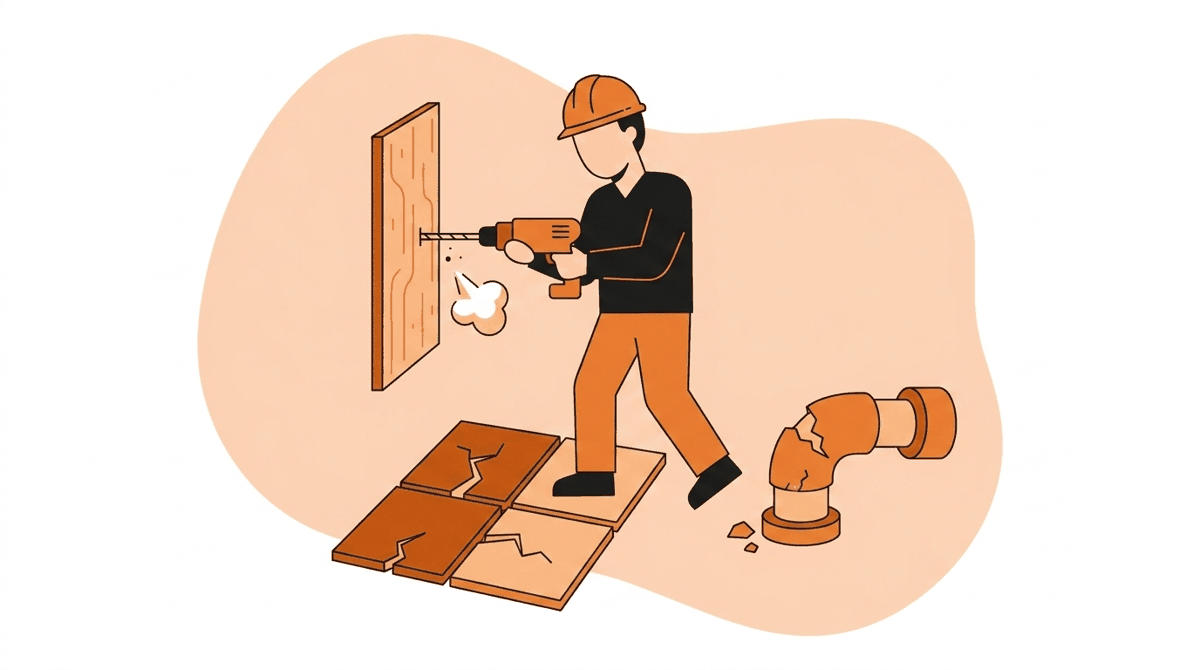
- Pipe and boiler insulation. The classic. White or gray lagging on old pipes, crumbling at the elbows. “Friable” material — anything you can crush with hand pressure — releases fibers easiest.
- Renovation surprises. Floor tiles (especially 9-inch squares) and their mastic, ceiling tiles, roofing felt, siding shingles, and joint compound in pre-1980s buildings.
- Drilling and cutting. A maintenance tech drills through a transite panel or old fireproofing to hang a bracket — a small job, an invisible fiber release.
- Brake and clutch work on older vehicles and equipment, especially with compressed air blow-downs (prohibited for exactly this reason).
- Take-home exposure. Dusty work clothes worn home expose families. Decontamination and disposable coveralls exist for a reason.
Asbestos awareness toolbox talk
Here’s the one sentence I need everyone to remember: in any building built before 1980, you treat unknown building materials as suspect until someone qualified says otherwise.
Let me explain why the rules are so strict for a dust you can barely see. Asbestos fibers are tiny — thousands of times thinner than a hair. They float, you inhale them, and your lungs can’t get rid of them. They sit there causing damage for decades. The people dying of mesothelioma this year were mostly exposed back when gas cost a dollar. There is no exposure level that’s been proven safe, and there’s no cure once disease develops. Prevention is the whole game.
So here’s how we play it. Before any renovation, demolition, or maintenance that disturbs building materials in an older structure, we check the asbestos survey. If there’s no survey for the material you’re about to cut, drill, or rip out — stop and ask. That’s not a delay; that’s the job.
If you encounter suspect material — old pipe lagging, crumbly insulation, damaged floor tile, powdery panels — don’t touch it. Don’t sweep it. Don’t “just bag it up.” Stop work, keep others away, and report it. Sampling and removal are for licensed, trained crews with the right containment, wet methods, and HEPA equipment. Awareness training — what most of us have — qualifies you to recognize and avoid, not to remove.
And never dry-sweep or blow down dust that might contain asbestos. Compressed air turns settled fibers into a cloud. Wet methods and HEPA vacuums only.
One last thing: this hazard follows you home on your clothes. Follow the decontamination rules on any job where asbestos is present. Your family didn’t sign up for your exposure. Questions?
Questions to employees
Ask your crew — a quick check that the talk landed:
- Which buildings or areas we work in were built before 1980?
- What common materials can contain asbestos?
- What does “friable” mean, and why does it matter?
- What do you do if you uncover suspect material mid-job?
- Why are dry sweeping and compressed air prohibited around asbestos?
- How can asbestos exposure affect your family, not just you?
Promote asbestos awareness with this email template
Hi [Name],
Before renovation work begins in the older sections of the facility, please review these asbestos rules with your crew:
- Check the asbestos survey before disturbing any building material; no survey means no cutting or drilling until we confirm
- Treat suspect materials — old insulation, floor tile, panels, joint compound — as asbestos until proven otherwise
- If suspect material is found or damaged, stop work, isolate the area, and report it immediately
- No dry sweeping or compressed air; disturbed asbestos is a licensed-abatement job, not a cleanup task
Asbestos disease appears decades after exposure and has no cure — prevention is the only protection we get.
Thanks,
[Your Name]
Conclusion
Asbestos punishes ignorance on a twenty-year delay. Know the age of the building, check the survey before disturbing materials, and treat every suspect material as live until tested. Recognition and avoidance are your job; removal belongs to licensed crews. The exposure you prevent today is the retirement you get to enjoy.