The Most Common OSHA Violations (Top 10 List)


Fall protection (29 CFR 1926.501) is OSHA’s most-cited violation for the 15th consecutive year, with 5,914 citations in fiscal year 2025. Hazard communication, ladders, lockout/tagout and respiratory protection round out the top five. The list barely changes from year to year — which means most citations are entirely predictable, and preventable.
Every fall, OSHA reveals its Top 10 most frequently cited standards at the National Safety Council’s Congress & Expo. The remarkable thing about the list is how boring it is: the same ten standards appear year after year, only shuffling positions. For safety managers, that predictability is a gift. If you audit your site against these ten items, you have covered the hazards that generate the overwhelming majority of citations — and a large share of serious injuries.
Here is the official Top 10 for fiscal year 2025 (October 1, 2024 through September 30, 2025), with citation counts as announced at the NSC Congress.
The Top 10 OSHA Violations of FY 2025
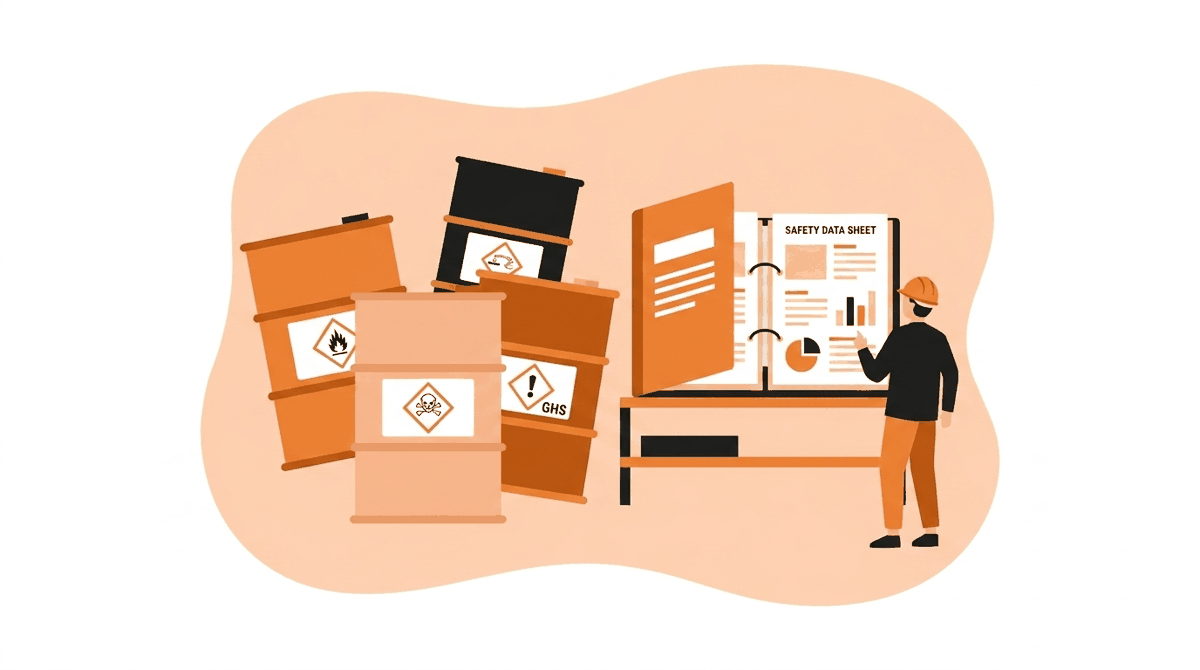
1. Fall Protection — General Requirements (1926.501): 5,914 citations
Number one for the 15th year in a row, and it is not close — fall protection draws more than twice the citations of any other standard. The requirement is blunt: in construction, workers exposed to falls of six feet or more must be protected by guardrails, safety nets, or personal fall arrest systems. Falls remain the leading cause of death in construction, which is why OSHA keeps hammering it. Start with our fall protection safety talk and our guide to fall prevention equipment.
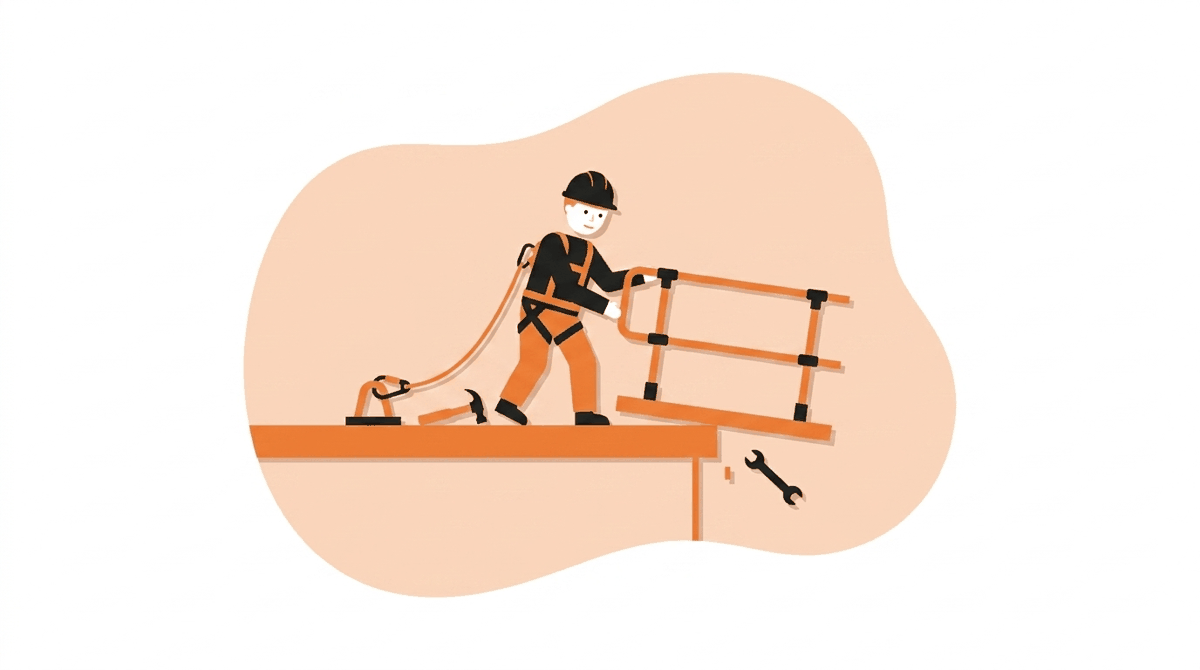
2. Hazard Communication (1910.1200): 2,546 citations
Missing written hazcom programs, missing safety data sheets, unlabeled containers, and untrained workers. If chemicals are on site, workers have the right to know what they are and what they can do. Our hazardous chemicals talk covers the essentials in five minutes.
3. Ladders (1926.1053): 2,405 citations
Damaged side rails, ladders that don’t extend three feet above the landing, using the top step — the classics. Review the OSHA ladder types and duty ratings and run our ladder safety talk before the next job that leaves the ground.
4. Lockout/Tagout (1910.147): 2,177 citations
Failures to establish energy control procedures, train authorized employees, and conduct periodic inspections. Uncontrolled hazardous energy is behind many of the amputations OSHA investigates. Walk through our six lockout/tagout steps with everyone who services equipment.
5. Respiratory Protection (1910.134): 1,953 citations
Most citations here are administrative but deadly serious: no medical evaluations before fit testing, no written respiratory protection program, no annual fit tests. If your crews wear respirators “voluntarily,” you still have obligations.
6. Scaffolding (1926.451): 1,905 citations
Missing guardrails, improper access, and scaffolds erected without a competent person. Scaffold work combines the top hazard on this list (falls) with struck-by risks for everyone below.
7. Fall Protection — Training Requirements (1926.503): 1,907 citations
Providing harnesses is not enough — workers must be trained by a competent person to recognize fall hazards and use the equipment. OSHA’s official ranking places training seventh, though its citation count is effectively tied with scaffolding. A regular toolbox talk program is the easiest way to keep training documented and fresh.
8. Powered Industrial Trucks (1910.178): 1,826 citations
Forklift operators without certification, missing refresher evaluations after incidents, and trucks not removed from service when defective. The consequences fill our news pages — see the fatal falling-load incident at Mitchell Industrial Tire.
9. Eye and Face Protection (1926.102): 1,665 citations
Workers grinding, cutting, and welding without appropriate eye protection. Cheap PPE, expensive injuries. Our safety glasses talk makes the case to your crew.
10. Machine Guarding (1910.212): 1,239 citations
Unguarded points of operation, nip points, and rotating parts. Machine guarding failures are behind a steady stream of amputation cases — like the double amputation injuries at Waupaca Foundry. Pair a guarding audit with our pinch points talk.
What the List Means for Your Workplace
Three lessons jump out. First, falls dominate: three of the ten standards (fall protection, ladders, fall protection training) plus scaffolding are about the same basic hazard. Second, paperwork counts: hazcom programs, respirator medical evaluations, and training documentation are among the most-cited items — violations an inspector can find without ever seeing an unsafe act. Third, the list is stable, so there is no excuse for being surprised. Overall citations in FY 2025 were down about 5.6% from the prior year, but the composition barely moved.
Each violation type carries its own penalty exposure — see the six types of OSHA violations for how serious, repeat, and willful citations are priced, and our history of OSHA for how those maximums got where they are.
Conclusion
The Top 10 list is OSHA telling you, a year in advance, exactly what its inspectors will look for. Audit your site against these ten standards, fix what you find, document the training, and encourage workers to report near misses before they become recordables. The companies on our biggest fines list all ignored hazards this list warned them about.